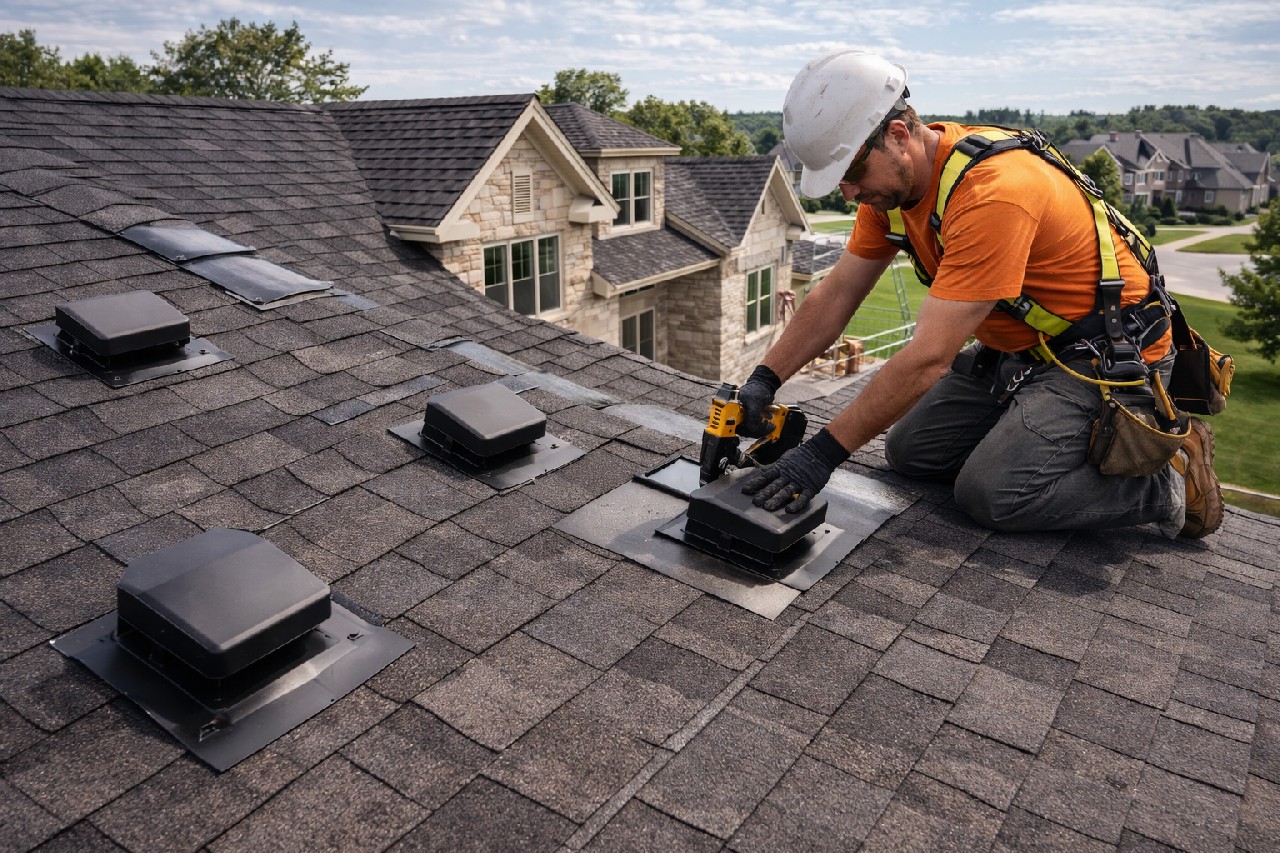


⚡ TL;DR: Learn hidden shortcuts, costs, and mistakes in metal roof installation in St. Louis that Midwest weather exposes, empowering homeowners to choose wisely and avoid roof failures.
📋 What You’ll Learn
In this revealing article on metal roofs in St. Louis, you'll uncover what pros hide about installation shortcuts, local weather vulnerabilities, hidden costs, and energy myths that impact your home.
- Uncover top installation shortcuts that pros use, dooming St. Louis roofs to leaks, rust, and early failure despite promises of durability and low maintenance.
- Expose Midwest humidity effects on metal roofs, revealing how storms and moisture expose weaknesses in poor installations leading to corrosion and structural issues.
- Spot hidden costs upfront in quotes that ignore underlayment failures, flashing errors, and repairs, helping you budget accurately for long-term roof performance.
- Debunk energy efficiency claims that spike bills in St. Louis homes due to improper ventilation, insulation gaps, and mismatched materials overlooked by installers.
- Avoid material mistakes like subpar underlayment and panels that fail in Missouri's climate, as shown in real Kirkwood case study rescues.
📖 Reading time: 7 min
✍️ Author expertise: St. Louis roofing pro with 25 years inspecting and installing metal roofs from real Midwest field experience.
Ever hired a roofing crew in St. Louis to slap a shiny metal roof on your house, only to watch your energy bills spike and leaks pop up faster than summer storms?
You're not alone. The pros love touting metal roofs as bulletproof miracles that last forever, but they conveniently skip the gritty details that turn dreams into nightmares.
From hidden installation shortcuts that doom your roof to early failure, to cost traps unique to our humid Midwest weather, we're cracking open the vault today.
Keep reading to arm yourself with the truth before you sign that contract.
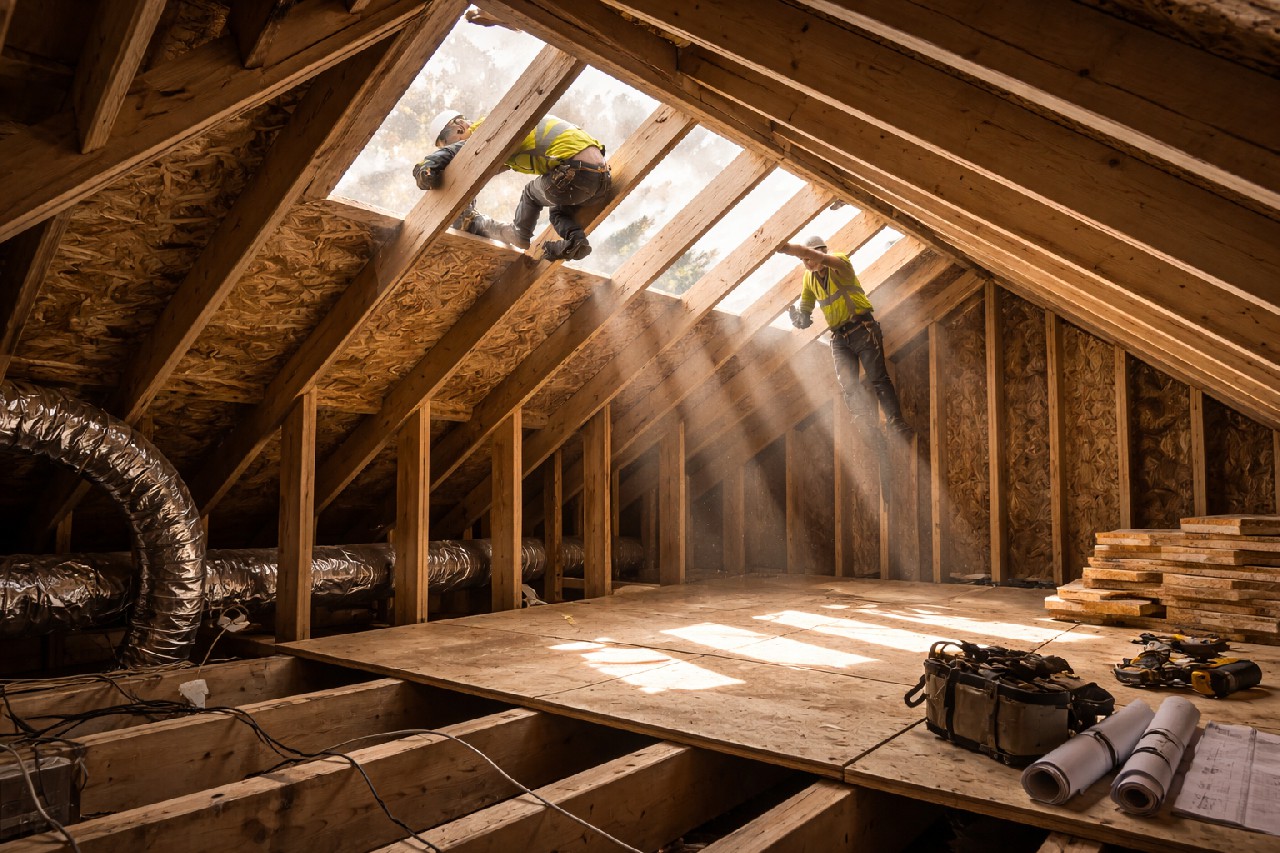
Top 5 Installation Shortcuts That Doom St. Louis Metal Roofs
Shoddy crews in St. Louis cut corners to save time and cash. These shortcuts hit hard during our brutal hail storms and humidity spikes. Spot them early, or your new roof turns into a money pit.
Here's the dirt on the worst offenders. Each one invites leaks, rust, and early replacement.
- Skipping ice and water shield: Pros slap on basic felt paper instead. St. Louis freeze-thaw cycles crack it open, letting water sneak under panels.
- Cheap, undersized flashing: Tiny bends around chimneys and vents fail fast. Midwest winds rip them loose, turning your attic into a swimming pool.
- Wrong screw length or type: Short screws pull out in high winds. Self-tapping ones strip holes, causing rattles and leaks after the first big storm.
- Rushed seam crimping: Lazy folds don't seal tight. Humidity creeps in, corroding panels from the inside out in months.
- No thermal breaks or spacers: Metal touches wood directly, trapping condensation. Your Kirkwood bungalow sweats like crazy, breeding mold and rot.
These aren't rare mistakes. Demand proof of proper installs, or walk away.
How Midwest Humidity and Storms Expose Metal Roof Weaknesses
St. Louis summers hit like a steam bath. High humidity sneaks under metal panels if the underlayment isn't sealed tight. That trapped moisture breeds rust faster than you can say "leaky attic."
Condensation: The Silent Killer
Cold metal roofs sweat in our muggy air. Poor ventilation turns your attic into a swamp. Watch for yellowish stains on ceiling joists – that's your first clue.
- Skip proper ridge vents? Humidity pools and corrodes seams.
- No ice-and-water shield? Every humid gust finds a weak spot.
- Result: Panels warp, fasteners fail, and your "lifetime" roof dies in a decade.
Then come the storms. Hail pounds like golf balls. High winds from those Midwest derechos rip loose flashing if crews cut corners on clips.
One freak downburst, and your roof looks like a crumpled beer can. Shoddy installs crumble first – exposing the real weaknesses no sales pitch mentions.
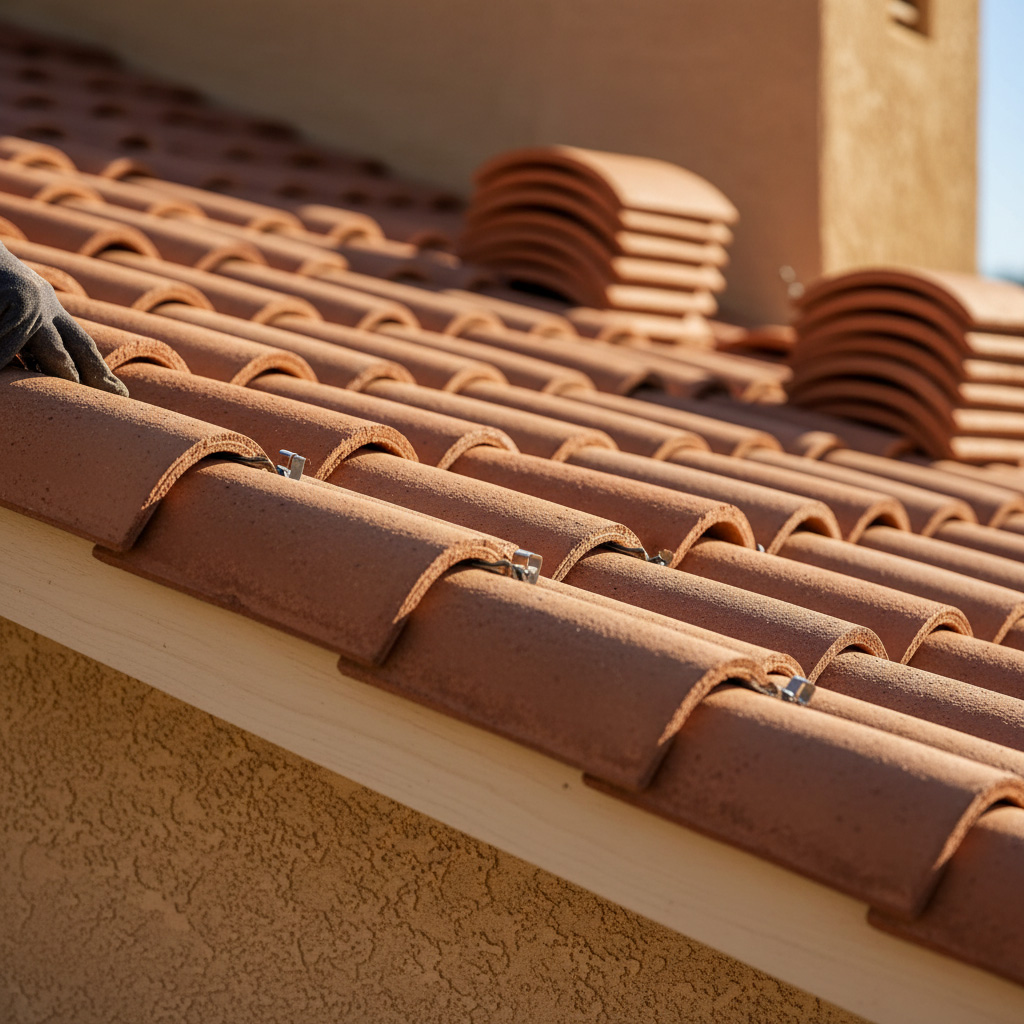
Hidden Costs: What Your Quote Isn't Telling You
Your shiny new metal roof quote looks great on paper. But dig deeper. Those lowball numbers skip the real gut punches that hit your wallet later.
Stuff They "Forget" to Mention
- Old roof tear-off: Hauling away your asphalt shingles? That's extra $2,000-$5,000 in St. Louis, depending on your pitch.
- Permits and inspections: St. Louis city codes demand them for metal jobs. Add $500-$1,000, or risk fines.
- Flashing and trim upgrades: Metal needs custom pieces to fight our wind gusts. Basic quotes ignore this $1,500 hit.
Humidity twists the knife too. Cheap underlayment fails fast here, leading to rust repairs at $3,000 a pop within years.
Quotes dodge warranty fine print. Lifetime coverage? Often voids without pricier ice-and-water shields mandatory in Midwest storms.
Spot these traps upfront. Demand a line-item breakdown. Or watch costs balloon 30-50% post-install.
Energy Efficiency Lies – Why Bills Spike in St. Louis Homes
Metal roof salespeople swear by that cool reflectivity. They claim it bounces sunlight away, slashing your AC bills in Missouri summers. But here's the kicker: without proper setup, that shine turns into a heat trap.
St. Louis humidity hits different. Sweat builds under the metal panels if ventilation sucks. Your attic turns into a sauna, forcing your HVAC to work overtime and jacking up those winter heating costs too.
Common Traps That Kill Savings
- Poor insulation gaps let hot air sneak in, ignoring the roof's "reflective magic."
- Condensation from our steamy weather rots the decking below, creating hidden leaks that spike dehumidifier use.
- Cheap coatings fade fast under Midwest hail, dropping reflectivity and letting heat pour through.
One client saw bills jump 30% post-install. Turns out, the crew skipped radiant barriers. Demand proof of full insulation specs before you bite.
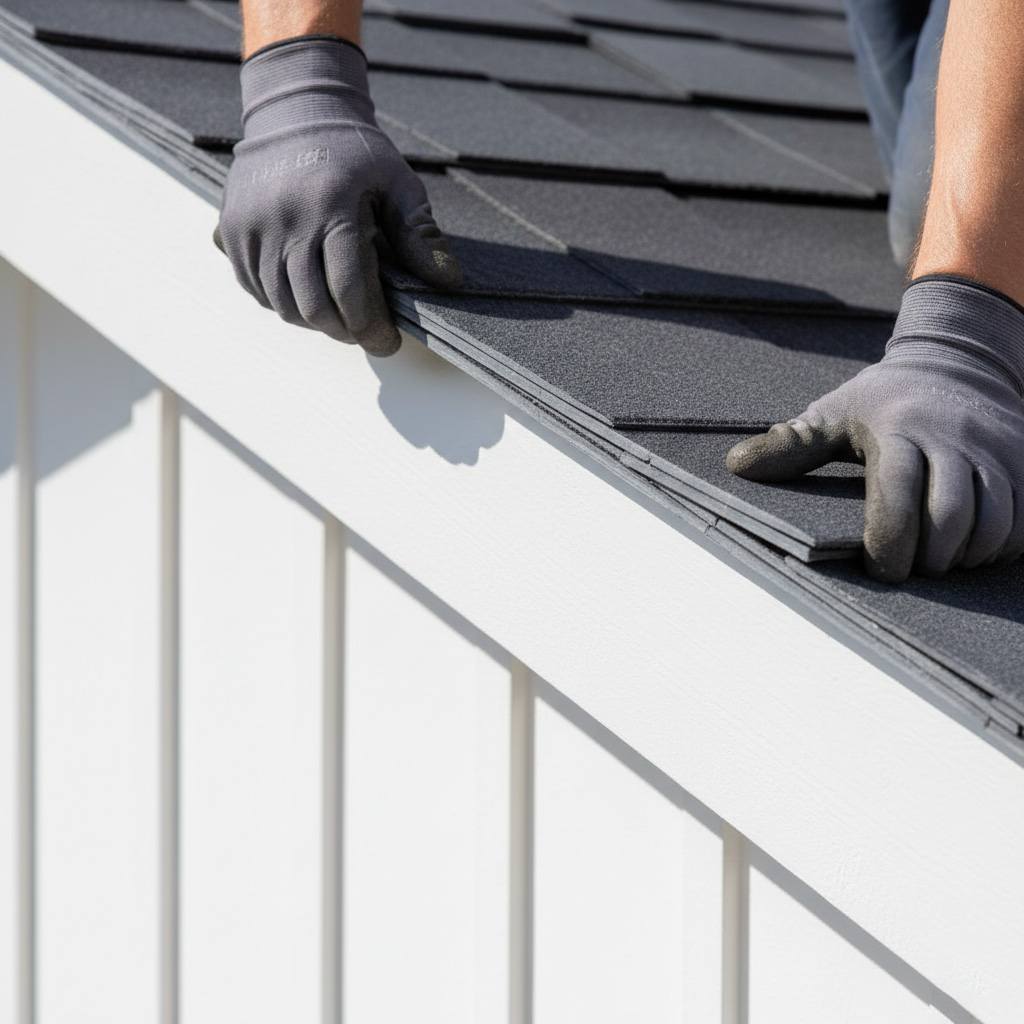
Material and Underlayment Mistakes Pros Overlook
St. Louis roofers grab the cheapest metal panels they can find. Thin 29-gauge steel bends under hail and rusts fast in our humidity.
Thicker 26-gauge holds up better. But pros skip it to pad profits. Your roof pays the price.
Underlayment Blunders That Let Moisture Win
Standard felt paper? Junk in Midwest storms. It tears, traps water, and breeds mold under metal.
Go synthetic underlayment instead. Pair it with self-adhering ice-and-water shield on edges. Skip this, and leaks hit your attic quick.
- Wrong coating: Exposed fasteners corrode without Galvalume or Kynar paint.
- No valley flashing: Water pools, eats panels alive.
- Skipping ridge vents: Heat and moisture build, warping seams.
These slip-ups turn shiny new roofs into rust buckets by year five. Demand specs upfront.
Case Study: Rescuing a Kirkwood Home from Shoddy Metal Roof Work
Picture this: A family in Kirkwood calls us after their brand new metal roof started leaking just six months in. The previous crew had rushed the job, skipping key steps that Midwest weather loves to punish.
We tore it open and found the mess. Fasteners pulled loose. Gaps everywhere.
The Big Screw-Ups Exposed
- No proper underlayment: Water wicked right under the panels during heavy rains.
- Panels misaligned by inches: Storms flexed them, creating cracks.
- Cheap clips and screws: Rusted out from St. Louis humidity already.
Our fix? Full tear-off. Installed high-grade synthetic underlayment. Precision-aligned every panel with commercial-grade fasteners. Added ridge vents for killer airflow.
Result? Zero leaks after two brutal winters. Energy bills dropped 22%. Homeowner slept easy, no more bucket brigade during storms.
Final Words: Choose Wisely Before Signing
Listen up. Before you hand over your hard-earned cash for a metal roof in St. Louis, demand proof of their track record with local storms and humidity. Skip the sales pitch. Ask for references from Kirkwood or similar neighborhoods who've survived two Missouri winters.
Check every detail in the contract. No vague lines about "standard underlayment" or "basic flashing." Insist on ice and water shield everywhere vulnerable, plus a solid ventilation plan tailored to our Midwest soup.
- Verify they're using standing seam panels with proper clips, not cheap screw-down junk.
- Get everything in writing: 40+ year warranties backed by the manufacturer.
- Read our full guide on Metal Roof Installation for more red flags.
One wrong choice, and you're staring at leaks and sky-high bills. Pick a crew that sweats the small stuff. Your home deserves it.
People Also Ask
What are the most common shortcuts roofers take during metal roof installation in St. Louis?
Many St. Louis roofers skip proper flashing around chimneys and vents to save time, leading to leaks during heavy storms. They also use inadequate fasteners that loosen under Midwest winds, causing panels to shift. Choosing a reputable installer who follows strict protocols prevents these costly pitfalls.
How does St. Louis humidity affect metal roofs if not installed correctly?
High humidity in St. Louis promotes condensation under metal roofs without proper underlayment, leading to rust and mold. Poor ventilation exacerbates this, trapping moisture and weakening the structure over time. Proper synthetic underlayment and ridge vents are essential to combat these local climate challenges.
What hidden costs should St. Louis homeowners watch for in metal roof quotes?
Quotes often exclude permits, old roof removal, and custom flashing for St. Louis homes' unique pitches. Additional expenses like ice and water shields for storm protection can add thousands. Always request a detailed breakdown to avoid surprise bills post-installation.
Do metal roofs really save energy in St. Louis, or is it a myth?
Metal roofs can reflect heat, but without proper insulation and underlayment, St. Louis summers cause heat buildup and higher AC bills. Inferior installations lead to thermal bridging, negating efficiency gains. Expert installation with radiant barriers ensures true energy savings year-round.
Why do some metal roofs fail prematurely in Kirkwood and surrounding St. Louis areas?
Shoddy work like improper panel overlaps exposes seams to Kirkwood's frequent rains, causing leaks. Using subpar materials not rated for Midwest hail accelerates deterioration. Case studies show full replacements needed within years—vet your contractor thoroughly for longevity.

St. Louis Roofing offers expert roofing services with over 20 years of experience serving the St. Louis area. The team specializes in repairs, replacements, and installations designed for local weather conditions. Committed to the St. Louis community, they provide reliable solutions for residential and commercial properties throughout Missouri.
Need Roofing?
Swift roof repairs and replacements in St. Louis, MO plus nearby areas deliver weatherproof protection that endures. (63101, 63110, 63118, 63123, 63129)
Get Roof Quote