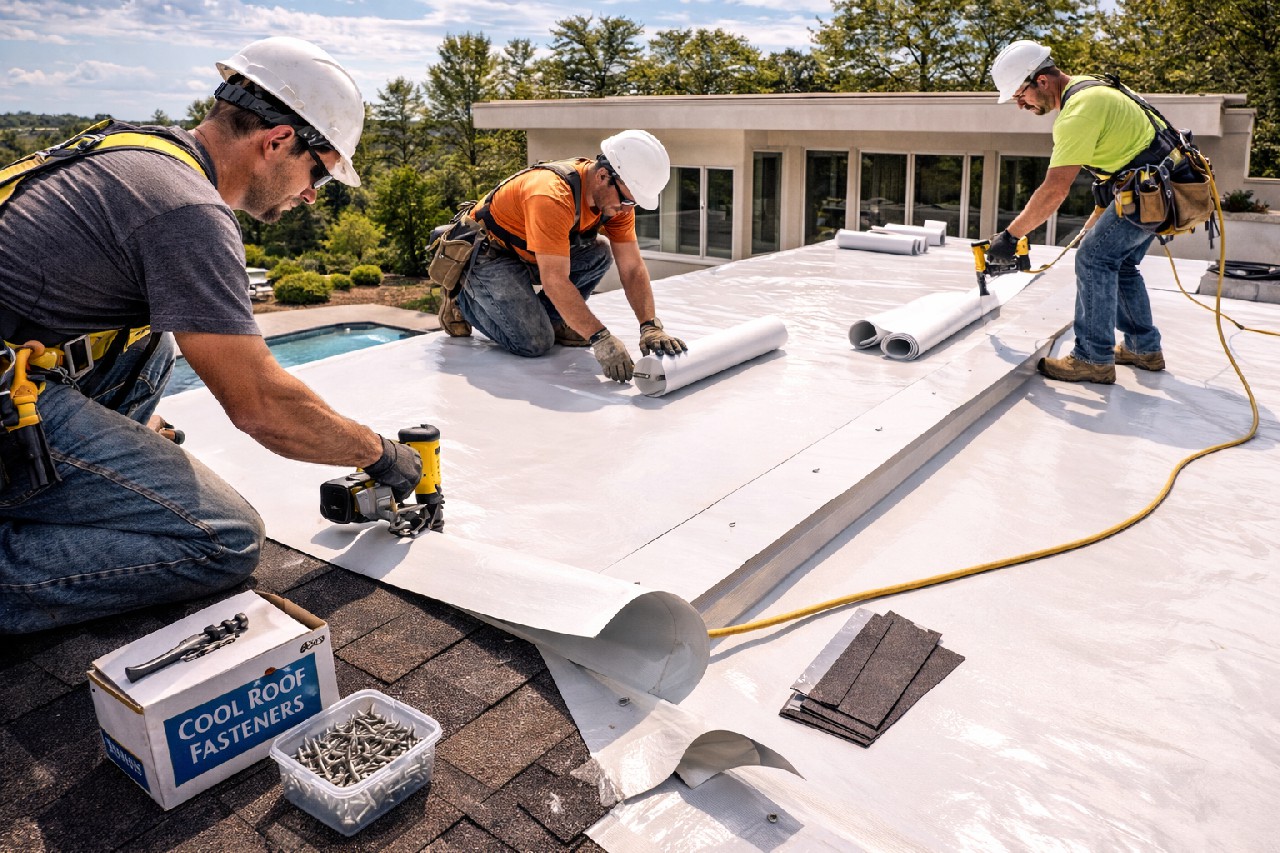


⚡ TL;DR: This guide offers a step-by-step roof inspection checklist for St. Louis homeowners, covering safety tips, visual damage checks, drainage systems, and interior assessments to spot weather-related issues early.
📋 What You’ll Learn
In this St. Louis roof inspection checklist, you’ll master DIY steps to detect hail, wind, and storm damage typical to Missouri roofs, plus pro tips for safety and thorough checks.
- Master essential tools and safety protocols to safely inspect your roof without risks, covering gear like ladders, harnesses, and binoculars suited for St. Louis homes.
- Spot shingle and tile damage early by checking for hail dents, wind-lifted edges, and granule loss that signal urgent repairs in our stormy climate.
- Evaluate gutters and drainage systems for clogs, leaks, and poor flow that cause water damage, ensuring proper runoff during heavy Midwest rains.
- Inspect flashing, vents, and chimneys for cracks, rust, or gaps around skylights and penetrations to prevent leaks and structural failures.
- Conduct attic checks for hidden issues like moisture, insulation problems, and truss damage, backed by a real Midtown thunderstorm recovery case study.
📖 Reading time: 7 min
✍️ Author expertise: St. Louis roofer with 20+ years inspecting local roofs through hail and wind storms.
That brutal hailstorm just ripped through St. Louis, leaving your roof looking like Swiss cheese from the street. You ignore it, thinking it'll hold up another season. Next thing you know, leaks turn into a full-blown disaster costing you thousands.
Spotting trouble early isn't rocket science, but most homeowners miss the warning signs until it's too late. In St. Louis, with our wild weather swings from scorching summers to ice-packed winters, your roof takes a constant beating.
Arm yourself with this no-nonsense St. Louis roof inspection checklist to catch issues before they snowball. We'll walk you through every critical check, from shingles to gutters, so you stay one step ahead.

Essential Tools and Safety Tips for Your St. Louis Roof Inspection
Before you climb a single rung, gear up right. St. Louis roofs demand respect after those Midwest gales. Skip the shortcuts, or you'll end up regretting it.
Grab These Must-Have Tools
- Sturdy extension ladder: Pick one rated for your weight plus tools. Test stability on flat ground first.
- Binoculars or a drone: Spot hail dents from the yard without risking a fall.
- Flashlight and smartphone camera: Document every shingle bruise and loose flashing.
- Gloves, knee pads, and a pry bar: Handle debris safely, probe soft spots gently.
Safety trumps speed every time. Check weather apps for clear skies, no wind over 10 mph. Tell a buddy your plan, and wear non-slip shoes.
Key Safety Rules to Live By
- Set ladder at a 75-degree angle: Three feet out from the house base for every four feet up.
- Never work alone: One spotter below catches problems you miss.
- Skip the roof if it's steeper than 4:12 pitch without pro help or harness.
- Look for power lines and weak spots before stepping on.
Follow these, and you'll inspect like a pro without the hospital bill. Now, ladder in place, let's hit the shingles.
Step 1: Visual Shingle and Tile Inspection for Hail and Wind Damage
Grab binoculars if you can spot issues from the ground. No need to climb up yet. Just scan the whole roof slope by slope under good daylight.
Hail Damage Red Flags
St. Louis hail hits like a freight train. Look for these killers.
- Granule loss: Shingles look bald or smooth in patches.
- Craters or bruises: Small dents like you'd see on a car hood.
- Cracked or split shingles: Hail punches right through.
Run your hand over suspect spots if you're up close. Granules come off like sand? That's a dead giveaway your roof's armor is shot.
Wind Damage Giveaways
Our Midwest gusts lift and tear. Check edges first, they're hit hardest.
- Curling or lifting tabs: Shingles popping up like tent flaps.
- Missing chunks: Wind rips pieces clean off.
- Fishmouthing: Gaps where shingles bubble up.
One loose shingle starts a domino effect. Catch it now, or replace the whole section later.

Step 2: Gutters, Downspouts, and Drainage System Check
Clogged gutters mean water backs up under your shingles. In St. Louis, heavy rains from those pop-up thunderstorms turn small blockages into roof-killing ponds. Check this now to dodge interior floods and rot.
Quick Gutters and Downspouts Scan
- Look for sagging sections or loose brackets. Hail loosens them fast.
- Peek inside for leaves, twigs, or shingle grit buildup. Poke it clear with a stick from a ladder.
- Run a hose test: Water should flow smooth to the ground, no backups.
Downspouts need straight shots away from your foundation. Crushed or disconnected ones pool water near walls, cracking them over time. Pro tip: Extend them 5 feet out with splash blocks if they're dumping too close.
Spot rust or peeling paint? That's corrosion eating your roof's edge. Fix it quick, or water sneaks in during our next wind-whipping storm.
Step 4: Attic and Interior Inspection for Leaks and Structural Issues
Head up to your attic with a bright flashlight, sturdy gloves, and a dust mask. St. Louis humidity loves turning small leaks into mold factories. Skip this step, and hidden rot could eat your roof from the inside out.
Spot the Sneaky Signs of Trouble
- Water stains on rafters or ceiling joists? That's your roof screaming for help.
- Black spots or musty smells? Mold's crashing the party, thanks to poor ventilation.
- Sagging beams or soft spots? Structural weakness from years of brutal Midwest weather.
Push aside insulation carefully. Check for daylight peeking through cracks around vents or the chimney. One tiny gap lets in wind-driven rain that wrecks everything below.
Back downstairs, scan your ceilings and walls. Yellowish-brown streaks mean leaks have already breached the attic. Grab your phone, snap pics, and call a pro before insurance claims get messy.

Step 4: Attic and Interior Inspection for Leaks and Structural Issues
Head up to your attic. Shine a flashlight everywhere. This is where hidden roof killers hide.
Attic Red Flags You Can't Ignore
- Water stains on rafters or plywood – brown streaks scream past leaks.
- Mold or mildew smells? Bad news. It means moisture's rotting your wood from inside.
- Sagging beams or truss webbing? Your roof's structure is weakening fast.
- Bunche
insulation? Pushed aside by water or pests – check for gaps letting heat escape.
Grab a moisture meter if you have one. Probe suspect spots. Readings over 20%? Call pros now.
Now drop downstairs. Scan ceilings and walls for bubbling paint or soft spots. Yellowish stains mean water's traveled far – your roof's crying for help.
Case Study: Rescuing a Midtown St. Louis Roof After a Severe Thunderstorm
Picture this: Mike in Midtown St. Louis spots a few dings after that monster thunderstorm dumps golf-ball hail. He shrugs it off, figures his 15-year-old asphalt shingles can tough it out. Three months later, water stains creep across his bedroom ceiling.
What the Inspection Uncovered
- Shingle carnage: Over 40% granulated and bruised from hail, primed for leaks.
- Gutters clogged with debris, backing water onto the roof edge.
- Flashing failure around the chimney, letting rain seep into the attic.
- Soft spots in the decking, signaling rot from ignored drainage issues.
Our crew hits the attic next. Damp insulation and moldy rafters scream emergency. Mike dodged a $25K interior gut job by catching it here.
We stripped the damaged sections, reinforced the structure, and laid down impact-resistant shingles rated for St. Louis brutality. Total fix? Under $12K, with full insurance coverage after our detailed report. Mike's roof now laughs at hail.
Final Words
Run through this St. Louis roof inspection checklist twice a year. Spring after those nasty storms. Fall before the ice hits.
Spot something sketchy? Don't play hero. Call in the pros before a small ding becomes a five-figure nightmare.
Quick Action Plan
- Grab your phone. Snap pics of any damage.
- Check our Roof Inspection page for free quotes.
- Schedule now. Beat the rush when everyone else panics.
Your roof shields your family. Treat it right. Stay dry, St. Louis.
People Also Ask
How often should I get a roof inspection in St. Louis?
In St. Louis, schedule a professional roof inspection at least once a year, especially after severe weather like hailstorms or high winds common in the Midwest. Homeowners in areas like Midtown or Chesterfield should also inspect seasonally in spring and fall to catch issues early. Regular checks prevent minor damage from escalating into costly repairs.
What are the signs of hail damage on a St. Louis roof?
Look for dents, cracks, or bruising on asphalt shingles, which hail from St. Louis thunderstorms often causes. Granule loss on shingles or damaged soft metals like flashing are key indicators. A professional inspection is crucial as subtle hail damage can lead to leaks over time.
Can I perform a DIY roof inspection in St. Louis?
Yes, you can do a basic visual DIY inspection from the ground or attic, checking for missing shingles, gutter clogs, or interior stains. However, for safety and thoroughness, especially on steep St. Louis roofs after storms, hire certified local roofers. DIY misses hidden issues like structural weaknesses from Midwest weather.
How much does a roof inspection cost in St. Louis?
Roof inspections in St. Louis typically range from $150 to $400, depending on roof size, accessibility, and company. Many local roofing firms offer free inspections during storm season to assess hail or wind damage. This investment can save thousands by identifying problems early.
When is the best time for a roof inspection in St. Louis?
The ideal times are spring and fall in St. Louis, avoiding extreme summer heat or winter ice. Post-storm inspections after thunderstorms or hail events are urgent to document damage for insurance. Early detection during milder seasons ensures your roof withstands the region's severe weather cycles.

St. Louis Roofing delivers roofing expertise to homeowners and businesses throughout St. Louis, MO. With years of hands-on experience, the team manages repairs, replacements, and maintenance tailored to local weather challenges. Deeply rooted in the St. Louis community, they prioritize reliable service for area properties.
Need Roofing?
Swift roof repairs and replacements in St. Louis, MO plus nearby areas deliver weatherproof protection that endures. (63101, 63110, 63118, 63123, 63129)
Get Roof Quote