

⚡ TL;DR: This guide shares key pitfalls to avoid in slate roof installation in St. Louis, MO, from deck prep and materials to contractor vetting for climate-resilient results.
📋 What You’ll Learn
In this St. Louis slate roof guide, you'll uncover climate-driven installation musts, common pitfalls to dodge, real case fixes, and contractor vetting tips for lasting protection.
- Grasp St. Louis climate demands for slate roofs, mastering freeze-thaw resilience, wind resistance, and humidity control via precision techniques unique to Missouri weather.
- Avoid deck prep pitfalls by ensuring solid underlayment, spacing, and structural checks that prevent cracks, leaks, and premature slate failures in local installs.
- Spot inferior materials risks including subpar slate grades, weak fasteners, and adhesives that lead to buckling, slippage, and costly replacements under harsh conditions.
- Prevent flashing and vent errors through proper integration, seals, and airflow design to stop water intrusion, ice dams, and mold in St. Louis roofs.
- Vet contractors effectively using red flags, credentials, and case studies like University City's leaky roof revival for reliable, pitfall-free slate installation.
📖 Reading time: 7 min
✍️ Author expertise: St. Louis roofer with 25 years of hands-on slate installations from local field experience.
You're standing on your St. Louis porch, eyeing that gorgeous slate roof on the neighbor's Victorian across the street. It screams old-world class, shrugging off brutal hail like it's nothing. But here's the kicker: what if yours turns into a money pit faster than a Cards game gone south?
Slate roofs promise lifetime durability in our humid Midwest climate, yet botched installs plague homeowners with leaks, cracks, and sky-high repair bills.
We've seen it all from our crews hammering slate across the Gateway City. Ready to arm yourself against the worst blunders?
Why St. Louis' Climate Demands Precision Slate Installation
St. Louis weather hits like a freight train. Think scorching summers pushing 100 degrees, brutal winters dipping below freezing, and hail storms that pummel roofs without mercy. Slate thrives here, but only if installed dead-on.
Humidity is the silent killer. Our Midwest air soaks everything, leading to moisture trapped under slates if the deck isn't prepped right. One wrong move, and you get rot, mold, or worse—leaks that wreck your interior.
- Freeze-thaw cycles crack inferior setups overnight.
- Heavy rains test every seam and edge.
- Wind gusts up to 60 mph in spring storms demand rock-solid fastening.
Skip precision, and your "lifetime" roof lasts a decade. Get it right, though, and it outlives you. Our crews know the drill from years battling this climate head-on.
Pitfall #1: Skipping Proper Roof Deck Preparation
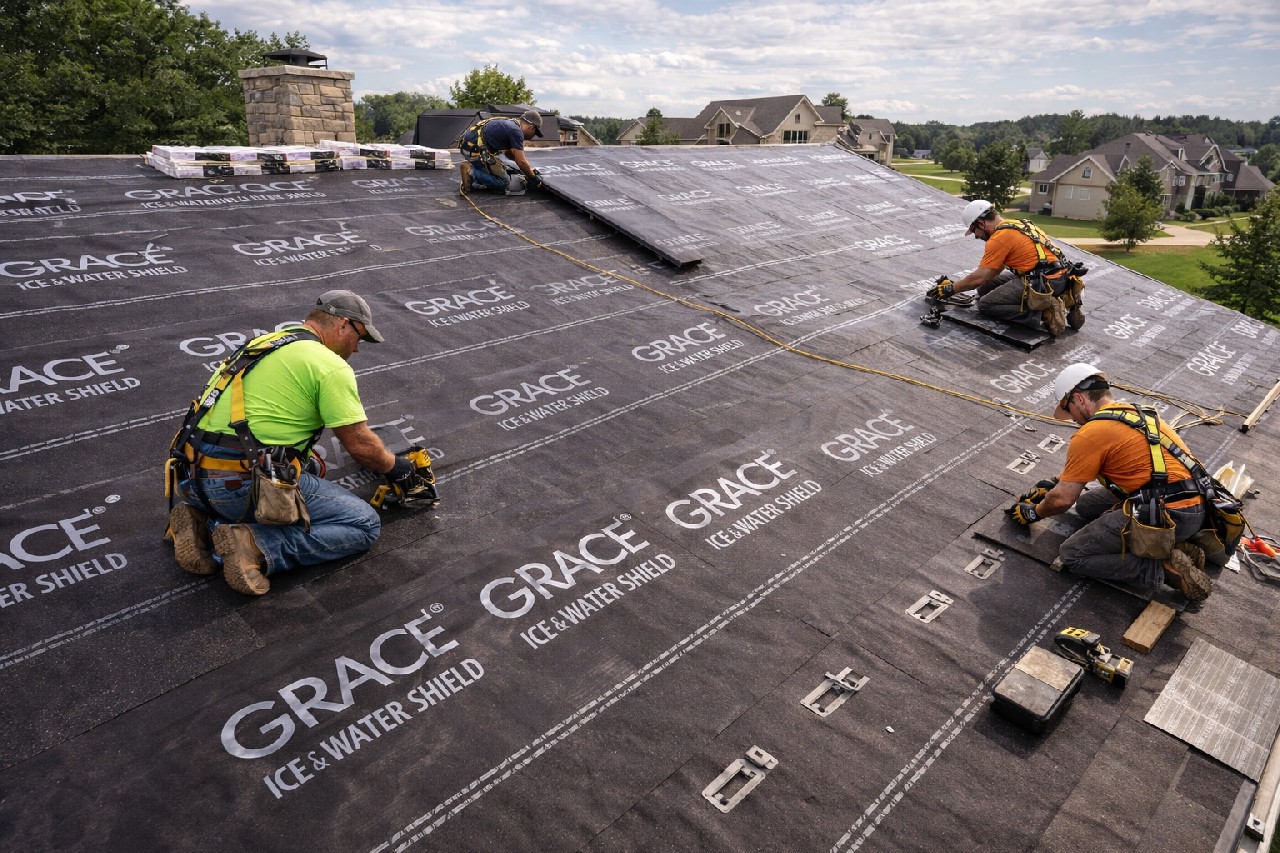
Picture this: your new slate roof looks perfect from the street. But underneath? A flimsy deck that buckles under slate's brutal 800-1,500 pounds per square weight. In St. Louis, our freeze-thaw cycles turn that oversight into cracks and leaks overnight.
Skip solid plywood sheathing—at least 5/8-inch thick—and you're begging for trouble. Moisture sneaks in, rots the deck, and sends slate tiles sliding like dominoes. We've ripped off more "quick-fix" decks than we care to count.
Fix It Right: Deck Prep Checklist
- Install CDX plywood or OSB, minimum 5/8-inch, with 1/4-inch gaps between sheets for expansion.
- Secure every 6 inches on-center with #8 screws—no nails that pop loose.
- Layer synthetic underlayment, not cheap felt that shreds in our humid summers.
Cheap crews cut corners here to save a buck. Demand proof of a beefed-up deck, or walk away.
Pitfall #2: Using Inferior Materials and Fasteners
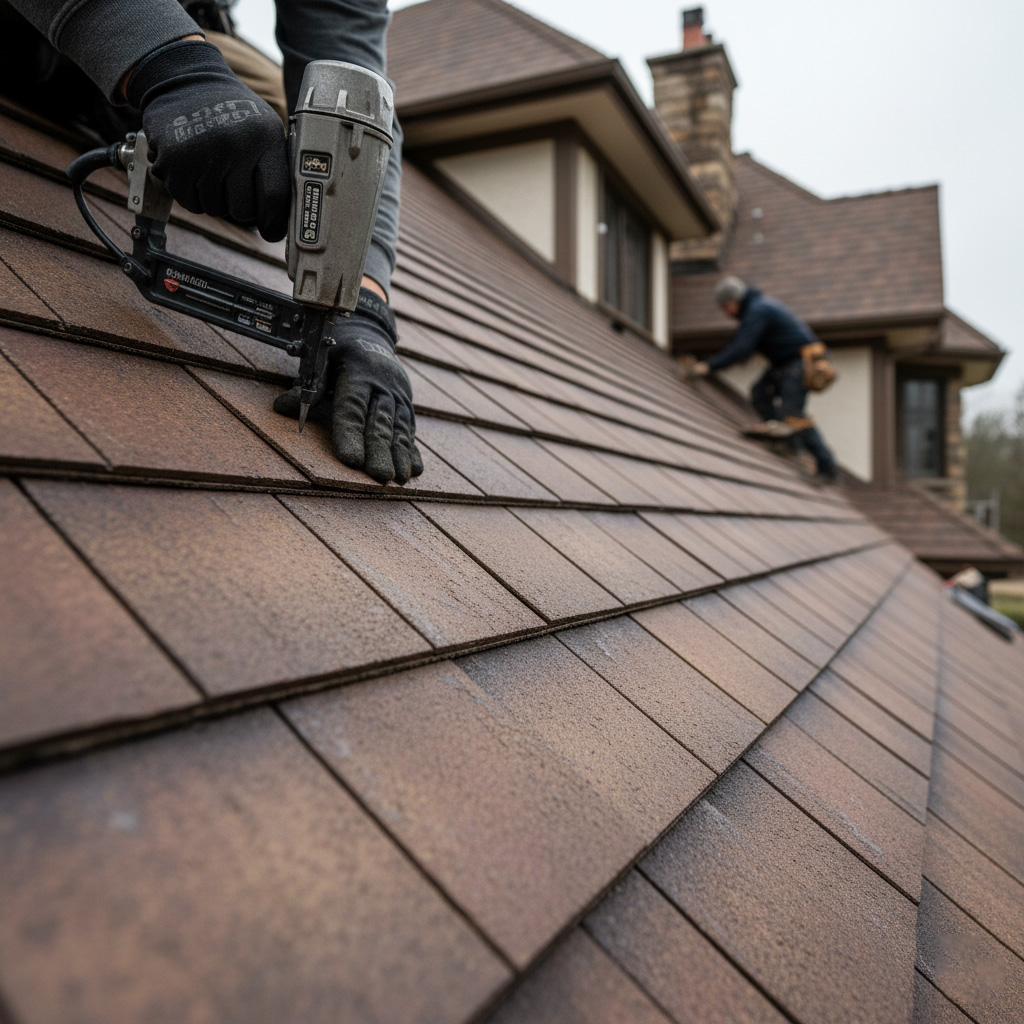
Picture this: your new slate roof looks sharp at first glance. But cheap imitation slate – think thin ceramic tiles or brittle composites – cracks under St. Louis' freeze-thaw cycles. Real natural slate from quarries like Vermont or Brazil flexes just enough to survive our wild weather swings.
Fasteners? That's where cowboys really screw up. Galvanized nails rust out in our humid air, turning your dream roof into a sieve. Demand stainless steel or copper fasteners rated for slate – they grip without piercing tiles and last decades.
Spot Junk Materials Before It's Too Late
- Thickness under 3/16 inch? Pass. It'll shatter like glass in hail.
- No certification from NSSGA? Fake slate alert.
- Fasteners shorter than 1.5 inches or without rings? Leaks incoming.
We've ripped off plenty of these lemons. Stick to pros who source Grade 1 slate and match fasteners to your pitch. Your wallet – and roof – will thank you.
Pitfall #3: Botched Flashing and Ventilation Oversights
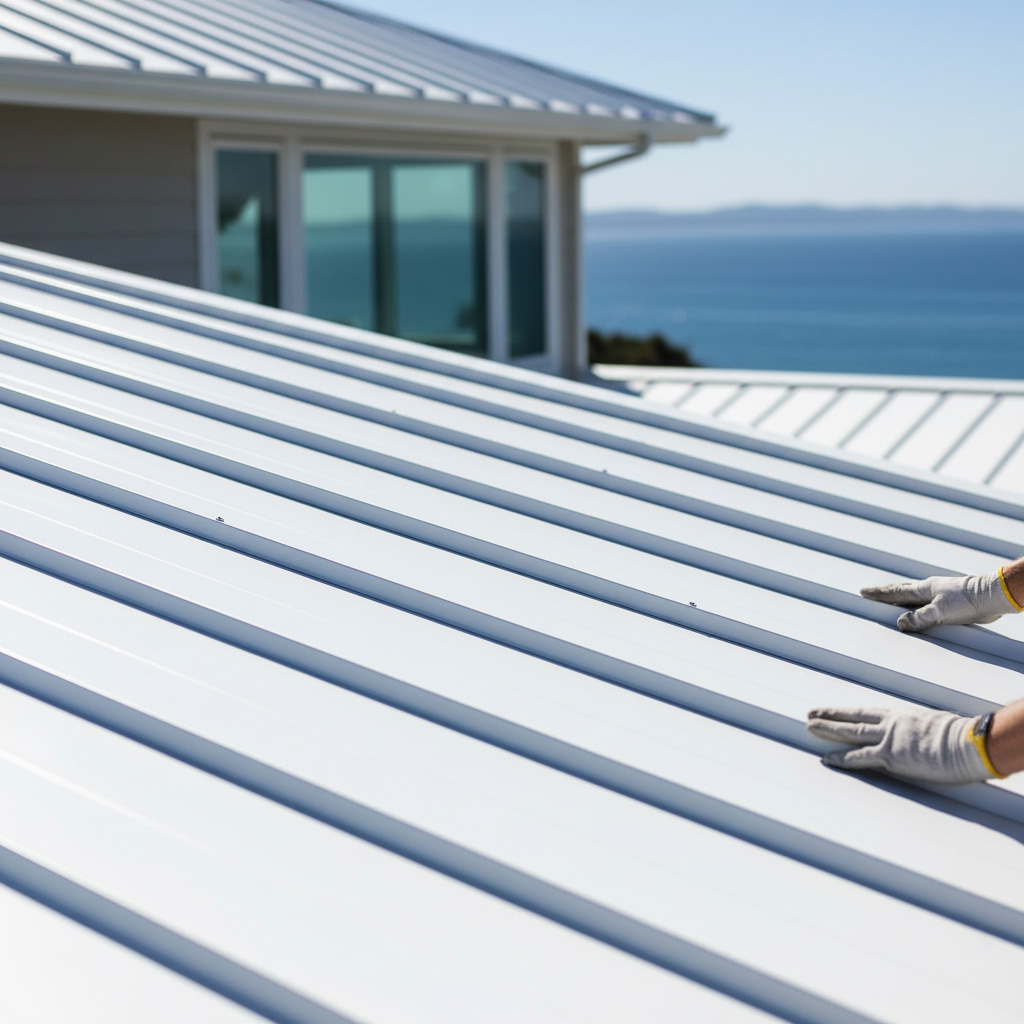
Picture this: water sneaks past your slate tiles because the flashing around that chimney or skylight is a joke. In St. Louis, our wild temperature swings turn tiny gaps into gushing leaks. Skip quality copper or stainless steel flashing, and you're begging for rot under the shingles.
Why Flashing Fails Fast Here
- Cheap aluminum corrodes in our humid air.
- Poor overlaps let ice dams form in winter.
- No step flashing? Hail pounds it loose quick.
We've ripped off roofs where contractors glued flashing like it was poster board. Result? Moldy attics and $20K fixes.
Ventilation gets ignored next, trapping hot, moist air like a sauna. Slate hates that - it cracks from thermal shock. Demand ridge vents and soffit intakes sized right for your roof pitch.
Pro tip: Check for continuous airflow paths. Botch this, and your "lifetime" roof lasts a decade tops.
Case Study: Reviving a Leaky Slate Roof in University City
Picture this: A charming 1920s bungalow in University City. The owner called us after years of nagging leaks during every thunderstorm. Water stains spiderwebbed the ceilings. She was one bad storm from gutting her attic.
What Went Wrong
Quick inspection revealed the classics. Roof deck was punky and uneven from skipped prep work. Cheap fasteners had rusted out, popping slates loose. And flashing? A joke around the chimney, trapping moisture like a sponge.
- Pitfall match: No underlayment, straight to disaster.
- Galvanized nails instead of copper? Rust city.
- Ventilation blocked, slate cracking from heat buildup.
The Turnaround
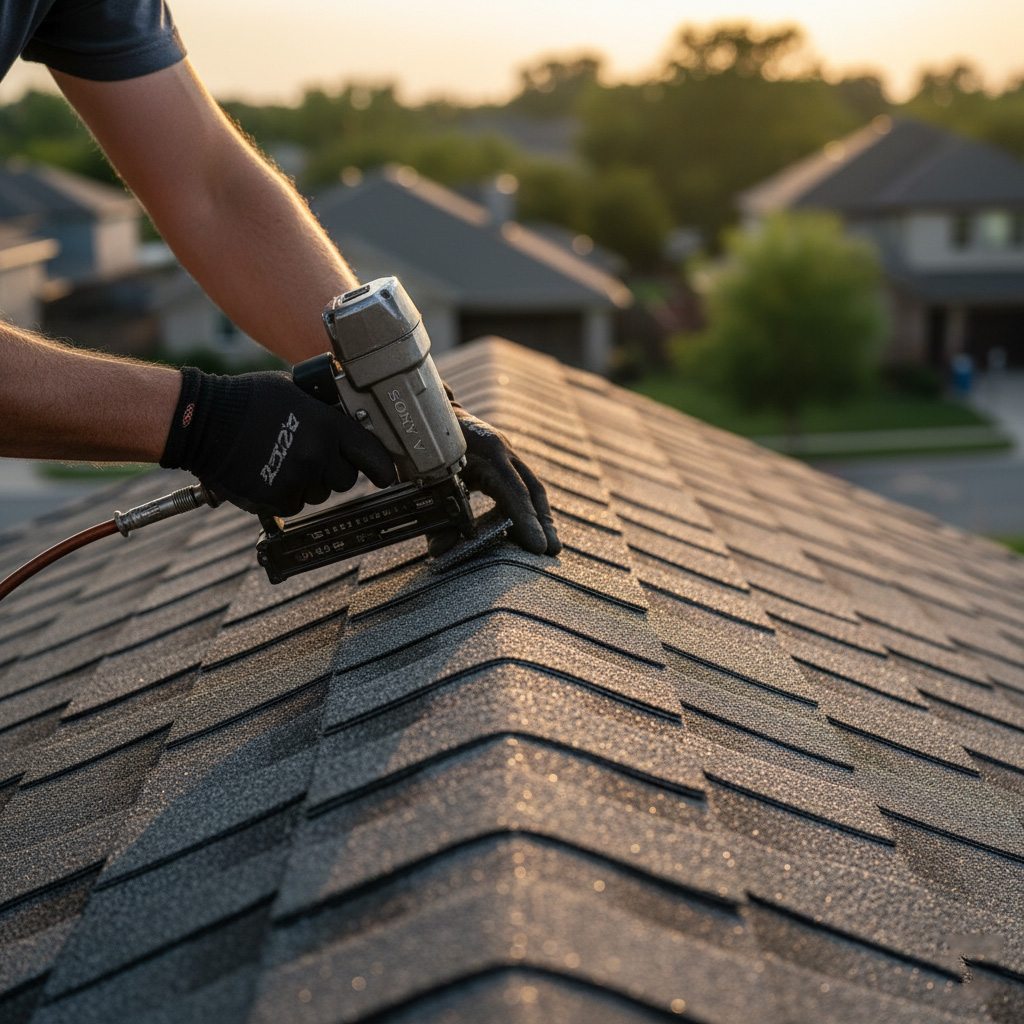
We stripped it down. Reinforced the deck with new plywood. Installed premium slate with stainless steel hangers and proper underlayment. Custom copper flashing sealed every joint. Added ridge vents for killer airflow.
Result? Bone-dry interior. Roof good for another 75 years. Homeowner slept easy through the next hailstorm. Cost her less than a full tear-off, thanks to catching it early.
Red Flags in Contractors and How to Vet Pros
Sick of getting burned by fly-by-night roofers? Spot these deal-breakers before they touch your slate.
Top Red Flags to Dodge
- No slate-specific portfolio. If their pics show asphalt shingles or metal, run.
- Quotes that scream "too cheap to be true." Slate install ain't bargain basement work.
- Vague answers on St. Louis climate tweaks, like hail resistance or humidity handling.
- No proof of licensing, insurance, or local bonds. One accident, and you're on the hook.
Now flip the script. Vet contractors like you're hiring for your own house.
Your Bulletproof Vetting Checklist
- Demand 5+ local references from slate roofs only. Call 'em. Ask about leaks two years later.
- Check BBB, Google reviews, and Angi for St. Louis jobs. Patterns don't lie.
- Grill 'em on process: deck prep, fasteners, flashing details. Good ones geek out.
- Get bids in writing. Compare apples to apples, not value to vaporware.
Pick right, and your slate lasts generations. Screw up? Back to square one.
Final Thoughts
Slate roofs can outlast your grandkids' grandkids if you dodge these traps from the start. But one wrong move? You're staring down leaks that laugh at Band-Aids.
Grab a pro who lives and breathes St. Louis slate installs. Check their track record on historic homes around here. No shortcuts. Ever.
Quick Action Steps
- Inspect your current setup now. Spot cracks? Call in reinforcements.
- Vet contractors hard. Demand references from slate roof installation jobs in the last year.
- Budget for quality. Cheap today means broke tomorrow.
Don't let a dream roof turn nightmare. Nail the details, and it'll shield your castle for generations.
People Also Ask
What are the most common pitfalls in slate roof installation in St. Louis?
Common pitfalls include skipping proper roof deck preparation, using inferior materials, and neglecting flashing and ventilation. These errors lead to leaks, premature failure, and costly repairs in St. Louis' humid climate with freeze-thaw cycles. Hiring experienced local installers minimizes these risks.
Why is St. Louis' climate challenging for slate roofs?
St. Louis experiences heavy rain, snow, ice dams, and temperature swings that demand precise slate installation to prevent cracking or slippage. Poorly installed roofs suffer from water infiltration and thermal expansion issues. Precision ensures longevity in this demanding Midwestern weather.
How do you prepare a roof deck for slate roofing?
Proper preparation involves installing 1x4 or 1x6 counter battens over a solid deck for drainage and ventilation. Skipping this leads to rot and slate failure in St. Louis' wet conditions. Always use treated lumber rated for slate weight.
What red flags indicate a bad slate roofing contractor?
Red flags include no local references, pushing cheap synthetic slate, or lacking insurance proof. Vague warranties or rushing the job without deck inspection signal inexperience. Vet pros with GAF or slate-specific certifications and St. Louis project portfolios.
How long do slate roofs last when properly installed in St. Louis?
Properly installed natural slate roofs can last 75-100 years or more in St. Louis with minimal maintenance. Factors like quality materials and expert installation combat local weather stresses. Regular inspections extend this lifespan significantly.

St. Louis Roofing provides expert roofing services throughout St. Louis, MO. With extensive experience in installations, repairs, and maintenance, the team addresses residential and commercial needs with precision. Rooted in the local community, St. Louis Roofing understands the region's unique weather challenges.
Need Roofing?
Swift roof repairs and replacements in St. Louis, MO plus nearby areas deliver weatherproof protection that endures. (63101, 63110, 63118, 63123, 63129)
Get Roof Quote